Colorectal Cancer

DrGanesh DP 2
Dr Ganesh Ramalingam

Specialist in General Surgery

Condition

Colorectal Cancer In A Nutshell

  • Colorectal cancer refers to cancer of the colon or rectum. 
  • Colorectal cancer may be caused by genetic factors, or environmental factors such as lifestyle, diet, and age.
  • Colorectal cancer begins with colon polyps, while they may be benign at the beginning, colon polyps can become cancerous over time.
  • Regular screening can help prevent the cancer from going undetected.
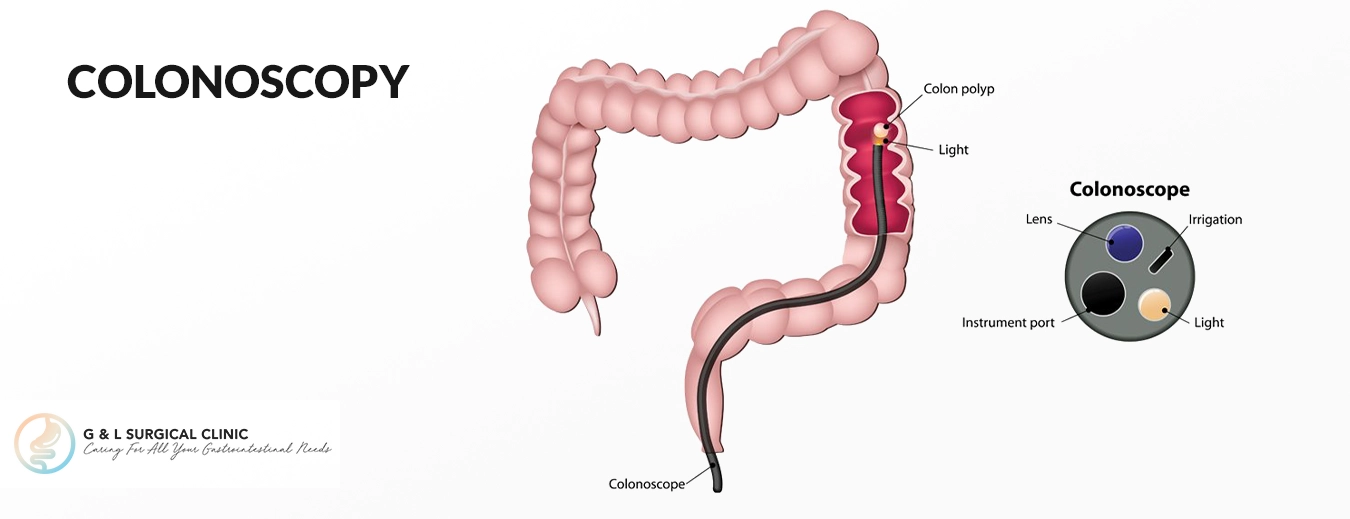
  • Colonoscopy is the recommended way to detect colon polyps and have them removed before they become cancerous.

Table of Contents

Colorectal Cancer

What Is Colorectal Cancer?

The colon and rectum are located at the end of the digestive tract, before the anus. After digestion of food, the remaining waste is channelled through the colon, stored in the rectum, and later passed out at the appropriate time. The colon helps our body absorb water, vitamins and minerals.

“Colorectal cancer refers to cancer of the colon (the main part of the large intestine) or rectum (the connection between the large intestine to the anus). Colorectal cancer may be genetic, or it may occur due to environmental factors.”

As the most common form of cancers in Singapore, colorectal cancer is the number one killer in Singapore for both men and women.

Colorectal cancer not only affects the colon and rectum, as for 60-year-old Mr Zailan Bin Buyong diagnosed with stage 4 colon cancer; his condition also left him largely immobile and bed bound due to cancer metastasising to the spine.

Colorectal cancers do not develop in a short period. For most people, it takes years before the cancer manifests. As a result, regular checks of the colorectal region with a colonoscopy are usually advised by doctors.

A colonoscopy can detect and remove small polyps and precancerous lumps before colorectal cancer surgery. This will prevent the development of cancer.
What Causes Colorectal Cancer?

Colorectal cancer or bowel cancer, rectal cancer or colon cancer) is caused by a mutation in the DNA and cells of your colon and rectum.

When ordinarily healthy cells within the colon mutate and grow uncontrollably, they lead to the formation of polyps. A polyp usually begins as a small growth. This may increase in size to be first a pre-cancerous and later a full cancerous growth.

This process may take place slowly and result in the development of colorectal cancer over many years.

As the number one killer in Singapore, colorectal cancer’s survival rates decrease with each development stage.

Schedule an Appointment

Concerned about your symptoms or condition? Book a consultation to get clarity and tailored care.

What Are The Risk Factors Leading To Colorectal Cancer?

Certain factors may increase your risk of developing colorectal cancer. This includes:

  • Genetic predisposition
  • Aged above 50 years old
  • Smoking
  • A history of ulcerative colitis
  • Crohn’s disease (inflammation of the digestive tract, leading to severe diarrhoea),
  • A diet high in salt and smoked meats,
  • A family history of colorectal cancer and
  • A previous history of colon polyps

What Are The Symptoms Or Warning Signs If I Have Colorectal Cancer?

“Early stage colorectal cancer rarely causes symptoms, making early detection very difficult. These symptoms can also be associated with other gastrointestinal illnesses apart from colon cancer.”

It is recommended that you seek medical advice if you experience persistent symptoms such as:

  • Constipation
  • Diarrhoea
  • Changes in stool colour
  • Changes in stool shape, such as narrowed stool
  • Blood in the stool
  • Bleeding from the rectum
  • Excessive gas
  • Abdominal pain and cramps
  • Unexplained weight loss
  • Chronic tiredness

While some of the symptoms are common to other non-cancerous conditions, it is crucial to identify if you noticed a change or discomfort for a period of time. We recommend seeking medical advice to determine the cause of your symptoms and whether treatment is required.

How Can Colorectal Cancer Be Prevented?

Lifestyle and dietary changes may help to prevent colorectal cancer. These changes may include:

  • Maintaining a healthy weight
  • Keeping an active lifestyle through exercising
  • Consuming plenty of fibre-rich foods such as fruits, vegetables, and whole grains
  • Limiting the intake of saturated fats and red meat
  • Quitting smoking
  • Reducing your alcohol consumption

For 60-year-old Mr Eilil Mathiyan, a double cancer survivor, his story was one filled with determination and inspiration.

Before Mr Mathiyan’s cancer diagnosis, he was reasonably active in sports like swimming and squash. But he also smoked, drank, and was overweight. In 2011, when he received the news of his diagnosis with rectal cancer. The news was further worsened when they discovered a cancerous tumour along the right side of his groin. He also had testicular cancer.

Early detection of colon polyps can also prevent colorectal cancer. As colorectal cancer develops from polyps in the colon that turn cancerous within the colon, early screening for signs of these growths and removing them before they turn cancerous would prevent the development of cancer.

Screening for colorectal cancer may include:

Early detection of colorectal cancer may also improve the success rates of treatment. It is recommended that a colonoscopy is done every five years past the age of 50.

How Is Colorectal Cancer Diagnosed?

For Rebecca, a gastroenterology nurse and a mother of two children, the news of her diagnosis for colorectal cancer came as a shock. As a moderately active woman, the thought of having colorectal cancer never struck her until the day that she noticed blood in her stool and was recommended by one of her physicians to do a colonoscopy.

Many people in Singapore suffer from colorectal cancer and, as a result, require treatment. Colorectal cancer is a severe condition, but in many cases, with early diagnosis and treatment, patients have an excellent chance for cure.

Colonoscopy

The initial evaluation will involve faecal testing or, for most cases, doing a colonoscopy to visualise if there are signs of polyps or cancer. Should they be present, tissue sampling would be obtained to confirm the diagnosis and clear the colon of polyps. A CT scan or PET scan will be obtained to determine if the polyp is cancerous. Our doctor may also order a polypectomy to remove any polyps that are identified.

Further investigations will be done to determine if cancer has spread to other parts of the body. Our doctor will also obtain blood tests to check your general health status and prepare for surgery.

Colonoscopy Cost: $2,958

Faecal Occult Blood Test/Faecal Immunochemical Test Cost: $3-$40

Faecal DNA Testing Cost: $400-$800

Barium Enema Cost: $300-$500

The pricing information provided serves as a guideline from the Ministry of Health and is accurate at the time of publication. However, please note that prices may be subject to change without notice. Consult your insurance provider to understand your coverage and any potential out-of-pocket expenses. For more enquiries, contact G&L Surgical and we will gladly assist you. 

How Is Colorectal Cancer Treated?

While many cases of colorectal cancer may not be completely cured, it is still possible to relieve the symptoms while improving the quality of life using chemotherapy and, in some cases, radiotherapy and surgery.

Depending on the condition, our doctor may recommend one or more of the following treatment plans, including:

  • Chemotherapy
  • Radiation therapy
  • Surgery
  • Immunotherapy, such as vaccines and medication

Depending on the origin and development stage of the cancer, the treatment plan may differ for individuals. Each treatment option can be discussed and recommended by our doctor based on your age and overall health condition.

In cases where surgery is an option, surgery is recommended as long as all cancerous tissue can be removed.

In the earliest stages of colorectal cancer, our doctor may be able to remove cancerous polyps through surgery before it has spread. If the cancer has spread to the bowel walls, our doctor may suggest removing part of the colon or rectum along with neighbouring lymph nodes. This procedure is known as colorectal surgery.

The colon’s cancerous parts will be removed, and our doctor will reattach the healthy portion of the colon with the rectum.

A colostomy may be performed for cases where removing parts of the colon is not possible. It involves creating an opening in the abdominal wall for the removal of waste.

Chemotherapy may also be recommended after surgery to help prevent the cancer from returning.

Taking the time to learn about our treatment options and talking to our doctor to make informed decisions is key to your treatment progress. By understanding the benefits and challenges or each treatment course, you can then work out the treatment that suits your needs.

Aside from treating cancer cells in the colon and rectum, the treatment goal is to prevent them from spreading. Colorectal cancer, when left untreated, may spread to the:

  • Lungs
  • Lymph nodes
  • Bones
  • Liver

What Is An Alternative Procedure For Colorectal Surgery?

Laparoscopic (keyhole) colorectal surgery is an advancement to the typical colorectal surgery through the use of minimally invasive incisions of the patient. Laparoscopic surgery avoids the trauma of a large abdominal wound that is associated with conventional surgery. Additionally, it results in reduced pain and a speedier recovery for our patients.

Some advantages of laparoscopic (keyhole) surgery for colorectal cancer are:

  • Less pain
  • Quicker recovery
  • Less risk of chest infection and post-operative complications
  • Shorter hospital stay
  • Possible improvement in long term survival for selected patients